Unlocking the Indian Food Market
Entering the Indian food and nutraceutical market presents an unprecedented opportunity for ambitious entrepreneurs, but it fundamentally requires mastering FSSAI compliance. The Food Safety and Standards Authority of India (FSSAI) acts as the paramount governing body, ensuring that every consumable product meets stringent health protocols before reaching the consumer. Whether you are launching a boutique health supplement brand, scaling a massive nutraceutical production facility, or importing exotic superfoods, understanding the labyrinth of FSSAI regulations is your non-negotiable first step. Compliance is not merely a bureaucratic checkbox; it is the absolute foundation of your brand's credibility and long-term viability in a highly competitive market. FSSAI establishes science-based standards for articles of food, regulating their manufacture, storage, distribution, sale, and import to ensure safe and wholesome food for human consumption. Decoding these legal stipulations can feel incredibly overwhelming, demanding meticulous attention to detail and an uncompromising commitment to quality control from the very first day of operations.
Impact on the Nutraceutical Industry
The profound impact of FSSAI regulations on the Indian nutraceutical industry cannot be overstated, especially as consumer demand for immunity-boosting supplements, vitamins, and functional foods reaches historic highs. The nutraceutical sector operates at a unique intersection between traditional food products and pharmaceutical goods, requiring a highly specialized regulatory approach. FSSAI has developed distinct, rigorous schedules specifically governing health supplements, nutraceuticals, food for special dietary use, and foods for special medical purposes. This means that if your business deals with dietary supplements, you are subject to far more intense scrutiny regarding permissible ingredients, botanical extracts, recommended daily allowances (RDA), and specific health claims. A minor miscalculation in an ingredient’s dosage or an unsubstantiated nutritional claim on your packaging can trigger immediate product rejection and regulatory penalization. The authority meticulously reviews the scientific backing of novel ingredients, ensuring that no unapproved or hazardous substances enter the Indian market without rigorous evaluation.
Understanding FSSAI Licensing Tiers
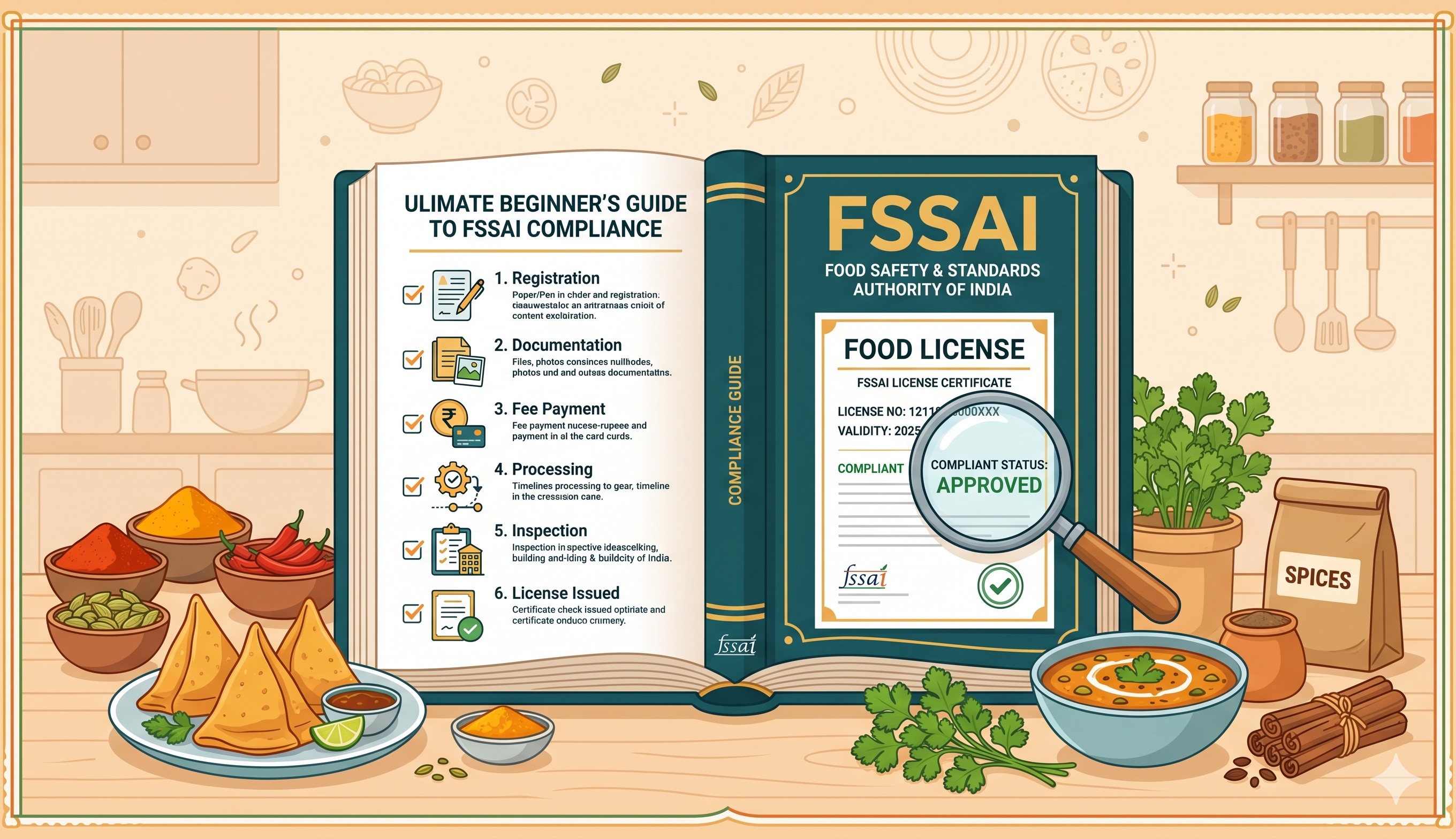
Navigating the hierarchical structure of FSSAI compliance requires a fundamental understanding of the three distinct licensing tiers: Basic Registration, State License, and Central License. The precise classification of your food business is determined by a complex matrix involving your annual turnover, production capacity, operational scale, and the specific nature of your food products. Basic Registration typically applies to petty food manufacturers or small-scale operators with an annual turnover below twelve lakh rupees. However, the moment your production capacity expands, or you cross the turnover threshold, you must upgrade to a State License. Furthermore, high-stakes operations such as large-scale nutraceutical manufacturing, proprietary food development, 100% export-oriented units, and importing food items mandate a Central License directly from FSSAI headquarters. This tiered system is intricately designed to ensure that regulatory oversight scales proportionately with the potential risk to public health. Securing the correct license from the outset is a critical strategic imperative that dictates future operational fluidity.
Responsibilities of Food Business Operators
As a Food Business Operator (FBO), your legal and ethical responsibilities extend far beyond simply hanging a framed FSSAI certificate on your office wall. The regulatory framework designates the FBO as the primary entity accountable for the absolute safety, hygiene, and compliance of the food product throughout its entire lifecycle. This encompasses stringent oversight of the manufacturing environment, ensuring that the facility adheres strictly to the Good Manufacturing Practices (GMP) and Good Hygiene Practices (GHP) outlined in Schedule 4 of the FSSAI regulations. Your responsibilities include maintaining impeccable sanitary conditions, implementing robust pest control measures, ensuring the personal hygiene of all food handlers, and conducting regular medical check-ups for your workforce. Additionally, FBOs must maintain meticulous, up-to-date records of raw material procurement, daily production logs, sales distribution channels, and comprehensive supplier audits. You are legally bound to guarantee that no food product leaving your facility contains artificial adulterants or dangerous contaminants.
Establishing Food Safety Management Systems
To sustain long-term compliance, food businesses must establish a comprehensive, meticulously documented Food Safety Management System (FSMS) based on Hazard Analysis and Critical Control Point (HACCP) principles. An effective FSMS is a dynamic, living protocol that proactively identifies potential safety risks at every stage of the production process and implements strict preventive measures. This involves drafting highly detailed Standard Operating Procedures (SOPs) for every machine, process, and employee interaction within your facility. FSSAI compliance also mandates rigorous periodic testing of your products and the water used in manufacturing through NABL-accredited laboratories to verify the absence of heavy metals, pesticide residues, and microbial contamination. Furthermore, operators are required to submit extensive Annual Returns detailing their production and sales data, a process that demands pristine record-keeping. Preparing for unannounced, stringent inspections from Food Safety Officers requires your documentation to be flawlessly organized and instantly accessible, as any discrepancy can trigger severe investigative actions.
The Severe Risks of DIY Compliance
Attempting to navigate the convoluted, ever-evolving landscape of FSSAI regulations without specialized expertise introduces an astronomical level of risk that can cripple a business before it even launches. The complexity of regulatory compliance is a formidable barrier; rules regarding permissible food additives, accurate nutritional labeling, font size requirements on packaging, and aggressive health claims are updated frequently and enforced strictly. An innocent misunderstanding of these complex guidelines often leads to catastrophic, costly mistakes. Incorrectly drafted product labels, unsubstantiated nutritional claims, or missing documentation can result in immediate product confiscation, heavy financial penalties running into lakhs of rupees, and public relations nightmares. In severe cases of non-compliance, authorities possess the power to permanently cancel your manufacturing license, initiate criminal prosecution against the directors, and enforce mandatory, highly publicized product recalls that instantly destroy brand trust. The sheer volume of technical paperwork and legal jargon makes independent compliance a dangerous gamble you cannot afford.
Partner with Food 1947 for Guaranteed Compliance
Achieving and maintaining flawless regulatory status is an ongoing, demanding journey that absolutely requires specialized knowledge and relentless vigilance. Sustainable compliance is the ultimate bedrock upon which profitable, trustworthy food and nutraceutical brands are built. Partner with Food 1947 to completely eliminate the stress, risk, and confusion of FSSAI regulations. As elite regulatory consultants, we possess decades of deep-rooted experience navigating the complex Indian food safety landscape. We provide comprehensive, end-to-end compliance solutions, from rapid license acquisition and scientific product formulation audits to meticulous label compliance and robust FSMS implementation. Do not gamble with your business’s future or risk devastating penalties by attempting to decipher these intricate laws alone. We streamline the entire bureaucratic process, ensuring your products hit the market faster, legally, and safely. Contact Food 1947 today to schedule a comprehensive compliance consultation, and let us empower your food business to thrive securely and confidently in the highly competitive Indian marketplace.