Revolutionizing Packaged Drinking Water Manufacturing in India
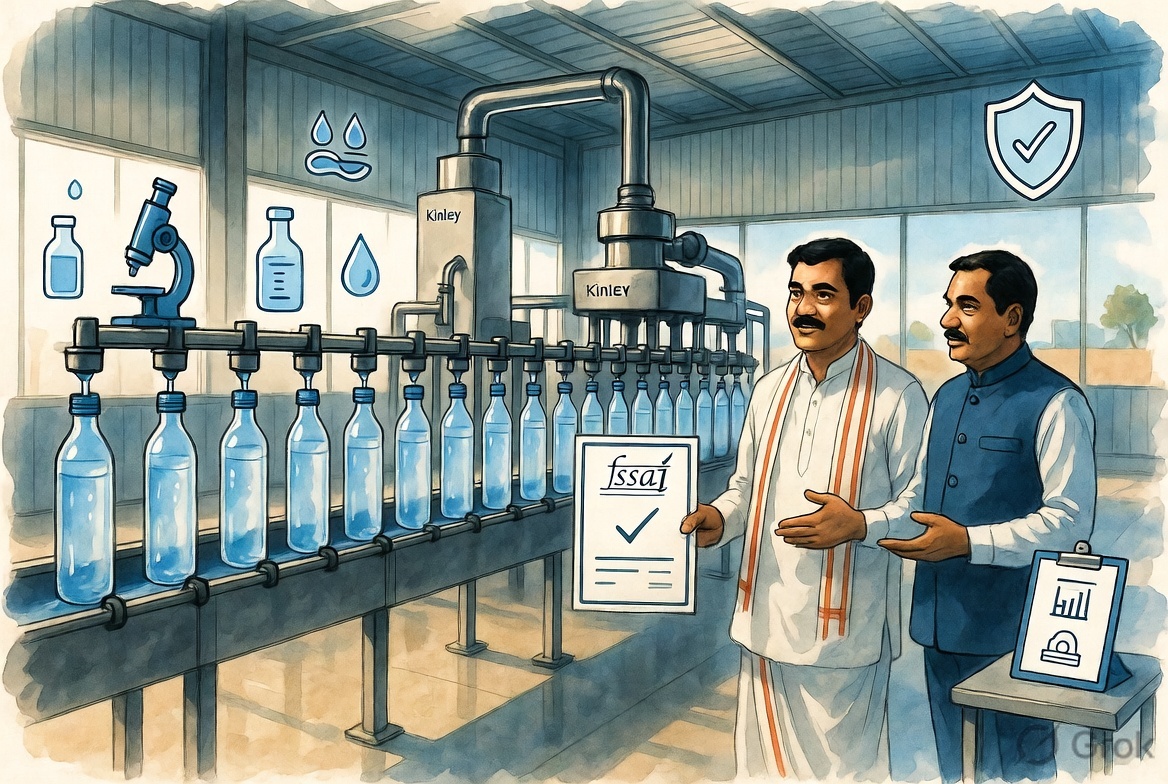
The launch of HCCB's first of its kind high speed Kinley water production line at the Avinya facility in Telangana is set to revolutionize the packaged drinking water segment within the Indian food and beverage industry. With capabilities to fill up to one thousand three hundred fifty five hundred milliliter bottles every minute this technology dramatically enhances production capacity allowing manufacturers to address the increasing consumer demand for safe and convenient hydration solutions across urban and rural areas alike. This development comes at a time when India faces significant challenges related to water quality and availability making efficient and compliant manufacturing essential for public welfare and economic progress. The investment of over two thousand crore rupees in the forty nine acre site not only boosts local employment in Telangana but also demonstrates the potential for advanced automation to reduce costs and improve consistency in output quality. As a result the broader industry is likely to witness accelerated adoption of similar high speed systems fostering innovation and competitiveness on a global scale. However this rapid advancement must be paired with robust food safety measures to prevent any lapses that could undermine consumer confidence and lead to regulatory actions. Overall the initiative strengthens India's position in the international beverage market while contributing to the growth of the domestic food processing sector through technology transfer and skill development opportunities for the workforce. FSSAI plays a key role in this transformation by providing the necessary licensing and oversight to ensure all new lines meet national safety benchmarks thereby benefiting business operators who seek to scale responsibly and deliver high quality products to their customers. Key stakeholders including consumers local governments suppliers and investors all stand to gain from this milestone which emphasizes the need for ongoing compliance and adaptation to evolving standards in the dynamic Indian food landscape.
FSSAI's Pivotal Role in Ensuring Public Safety Amidst Production Innovations
FSSAI plays an indispensable role in safeguarding public health by enforcing comprehensive food safety protocols that directly address innovations like HCCB's high speed production line. As the apex regulatory body FSSAI mandates that all packaged drinking water manufacturers including those operating advanced lines at facilities like Avinya obtain valid food licenses and adhere to strict parameters outlined in the Food Safety and Standards Food Products Standards and Food Additives Regulations two thousand eleven and specific guidelines for bottled water under IS one four five four three standards. This includes rigorous testing for microbial contamination chemical residues heavy metals and physical impurities to ensure every bottle reaching consumers is safe for consumption. By requiring regular audits traceability systems and compliance with labeling norms that inform the public about source treatment and nutritional info FSSAI builds consumer confidence and prevents potential health hazards such as waterborne diseases that could arise from substandard production. In the context of high speed lines FSSAI's oversight ensures that increased velocity does not compromise hygiene protocols such as automated cleaning in place systems and real time monitoring thereby protecting millions of Indians who rely on branded water for daily hydration. Public education campaigns by FSSAI further empower citizens to choose compliant products fostering a culture of safety. Ultimately FSSAI's proactive stance in approving and monitoring such technological upgrades demonstrates its commitment to balancing innovation with unwavering public protection crucial in a diverse market like India where trust in food products is foundational to societal well being.
Supporting Food Business Operators in Maintaining Superior Product Quality
Food business operators like HCCB benefit immensely from structured support mechanisms that emphasize quality control and regulatory adherence when scaling operations with new production technologies. The role of industry associations quality management systems and internal compliance teams is vital in translating FSSAI requirements into actionable processes at facilities such as Avinya. By implementing HACCP plans ISO certifications and continuous employee training on sanitation and equipment maintenance operators can guarantee that high speed lines deliver consistent product quality without defects or contamination risks. This not only fulfills legal obligations but also enhances brand reputation leading to higher customer loyalty and market share in the competitive bottled water space. Support extends to adopting best practices for sustainable packaging reducing plastic usage where possible and ensuring traceability from source to shelf which reassures consumers about the integrity of Kinley water. For smaller operators aspiring to similar advancements collaborative platforms and government schemes provide guidance on licensing technology acquisition and quality audits helping them avoid costly errors. Ultimately prioritizing quality through these supports translates to safer products for customers reduced recall incidents and a robust supply chain that supports public health goals while driving business growth in India's thriving food sector.
Identifying Key Stakeholders Affected by Advanced Beverage Production Launches
The launch of the high speed Kinley production line at HCCB's Avinya facility impacts a wide array of key stakeholders across the Indian food ecosystem. Primary among them are consumers who gain access to greater volumes of safe affordable drinking water contributing to improved public health outcomes especially in water stressed areas of Telangana and beyond. Local communities benefit from economic upliftment through direct employment at the forty nine acre plant and indirect opportunities in logistics raw material supply and retail. Regulators like FSSAI and state food safety authorities are stakeholders in ensuring seamless integration of new tech with compliance frameworks using this as a model for future approvals. Investors and shareholders of HCCB witness value creation from enhanced capacity and efficiency while suppliers of PET bottles machinery and water treatment systems experience boosted demand. The broader beverage industry gains insights into scalable automation inspiring competitors and SMEs to upgrade. Additionally environmental groups monitor the sustainability aspects pushing for eco friendly innovations. Government bodies at central and state levels see alignment with Make in India and Atmanirbhar Bharat visions attracting further investments. This interconnected web underscores how a single production milestone can catalyze multi dimensional progress provided all parties collaborate on maintaining the highest standards of safety and ethics.
Insights on Compliance Importance and Strategic Advice for the Food Industry
Additional insights from HCCB's Avinya launch emphasize the critical importance of proactive compliance in an era of rapid technological adoption within the food industry. While high speed lines promise efficiency they introduce complexities in validation calibration and risk assessment that demand thorough documentation and third party verifications to meet FSSAI's evolving amendments such as those enhancing traceability and digital reporting. Non compliance could lead to license suspensions financial penalties or reputational damage that far outweighs initial investment savings. For the food industry at large this serves as a reminder to integrate compliance from the design phase of new facilities conducting mock audits and pilot runs under regulatory guidance. Advice includes investing in robust laboratory infrastructure for in house testing fostering partnerships with accredited labs and staying updated via FSSAI's official portals on circulars related to packaged water. Operators should also focus on consumer feedback loops and transparent communication about production advancements to build trust. Embracing these practices not only mitigates risks but positions companies as leaders in responsible manufacturing contributing to a safer more resilient Indian food landscape that prioritizes public welfare alongside commercial success.
Embracing Technological Advancements While Upholding FSSAI Regulations
The future of food safety in India hinges on harmonizing cutting edge manufacturing technologies with stringent FSSAI regulations as exemplified by the Kinley line at Avinya. As production speeds increase so must the sophistication of monitoring systems including AI driven quality checks and blockchain for end to end traceability to uphold standards amid higher output. This evolution necessitates ongoing dialogue between industry and regulators to refine guidelines for automated processes ensuring they address emerging concerns like microplastics in packaging or energy efficient operations. Food industry players are advised to proactively engage in capacity building participate in FSSAI workshops and adopt voluntary standards exceeding minimum requirements to differentiate their brands. In Telangana's growing industrial corridor such projects signal a shift towards world class infrastructure that could elevate India's global food export competitiveness. By viewing compliance not as a hurdle but as a strategic enabler businesses can innovate responsibly safeguarding consumer health while fueling economic prosperity. This balanced approach will define the next decade of India's food sector making events like the HCCB launch catalysts for widespread adoption of safe efficient and sustainable practices.
Partner with Experts
In light of groundbreaking developments like HCCB's high speed Kinley water production line launch food business operators must recognize the value of partnering with seasoned experts in FSSAI compliance food licensing and regulatory affairs to navigate the intricacies of India's food safety landscape effectively. Professional consultants specializing in nutraceutical and beverage regulations can provide invaluable guidance on obtaining or amending FSSAI licenses for new high capacity lines interpreting the latest rules amendments and circulars issued by the authority and preparing for rigorous inspections that verify adherence to quality parameters specific to packaged drinking water. These experts assist in drafting robust Standard Operating Procedures SOPs conducting gap analyses and facilitating training programs that align operations at facilities like Avinya with current FSSAI laws thereby minimizing the risk of non compliance penalties or product recalls. For companies expanding or modernizing such partnerships ensure seamless integration of advanced technology with regulatory mandates including updates on labeling claims and sustainability reporting. By leveraging expert services operators not only achieve operational excellence but also contribute to broader public health objectives reinforcing consumer trust in brands like Kinley. Whether it's for initial licensing ongoing audits or strategic advice on emerging regulations engaging professionals from reputable firms dedicated to food industry support is essential for sustainable growth and leadership in India's dynamic market. This collaborative approach transforms regulatory challenges into opportunities for differentiation and long term success while underscoring the importance of professional guidance for all food licensing needs.