Establishing the Baseline of Food Safety
The role of FSSAI regulations in protecting consumer health fundamentally shapes the Indian nutraceutical industry by establishing an uncompromising baseline of public safety, effectively shifting the market from unregulated chaos to organized reliability. FSSAI nutraceutical regulations address this foundational need by setting strict, scientifically validated parameters that every health supplement must meet before it is legally allowed to be sold. Nutraceutical business operators play a primary role as the guardians of public wellness; they must meticulously align their operations with these mandates to guarantee that the absolute safety and quality of the product delivered to customers is never compromised. This stringent market entry protocol impacts a wide array of key stakeholders, including ambitious startup founders, public health officials, and the millions of consumers who blindly trust these brands for their daily nutrition. Additional insights emphasize that treating this initial compliance as a moral obligation rather than a mere legal hurdle prevents catastrophic health crises and builds immediate, deeply rooted consumer trust. My primary advice to nutraceutical business operators is to seamlessly integrate safety checks into the earliest stages of product ideation. When you manufacture, do not wait for final testing to verify safety; instead, source pre-certified raw materials and conduct rigorous pilot batch testing to ensure absolute public protection.
Mitigating Adulteration and Contamination Risks
Eradicating the dangers of adulteration profoundly impacts the Indian nutraceutical industry by protecting the vulnerable public from toxic heavy metals, pesticide residues, and biological hazards. FSSAI nutraceutical regulations directly address contamination by enforcing strict maximum residue limits (MRLs) and demanding zero tolerance for pathogenic microbes in any dietary supplement. Nutraceutical business operators must embrace their vital role as the frontline defense; their challenge is to implement rigorous laboratory testing to guarantee that the absolute purity and quality of the product delivered to customers are flawlessly maintained. This intense scientific scrutiny heavily impacts stakeholders such as internal laboratory technicians, global raw material procurement officers, and consumer advocacy groups who actively police the wellness market for hazardous products. Additional insights highlight that accidental heavy metal contamination—often stemming from poorly vetted agricultural soils—can cause irreversible neurological damage to consumers, making supply chain purity a critical health imperative. My critical advice to nutraceutical business operators is to establish a draconian ingredient vetting protocol. When you manufacture, invest in advanced in-house testing equipment like High-Performance Liquid Chromatography (HPLC) and atomic absorption spectrometers. By continuously monitoring batch purity before market release, you guarantee that your vitamins and minerals safely nourish the consumer without harboring hidden, toxic dangers.
Standardizing Nutritional Efficacy and Dosages
Standardizing active ingredient dosages significantly shapes the Indian nutraceutical industry by ensuring supplements actually provide the health benefits they promise without causing accidental toxicity. FSSAI nutraceutical regulations meticulously address formulation safety by mandating strict adherence to the Recommended Dietary Allowance (RDA) and maintaining dynamic positive lists of permissible botanicals. Nutraceutical business operators fulfill a complex, life-saving role; they must innovate within these legal parameters, guaranteeing that the high quality of the product delivered to customers provides optimal physiological benefits without crossing into dangerous pharmacological overdose territory. This rigorous scientific standardization heavily impacts stakeholders such as formulation chemists, clinical dietitians, and healthcare practitioners who rely on accurate dosages to treat patient deficiencies safely. Additional insights emphasize that hypervitaminosis—the toxicity caused by overdosing fat-soluble vitamins—is a severe public health risk that FSSAI's RDA limits are specifically designed to prevent. My essential advice to nutraceutical business operators is to prioritize biochemical precision. When you manufacture, utilize advanced, automated blending technologies to ensure the perfectly homogeneous distribution of active ingredients in every single capsule or gummy. By prioritizing formulation accuracy and strict RDA compliance, you deliver superior, medically safe health outcomes that protect the consumer and solidify your brand's scientific authority.
Enforcing Transparent and Truthful Labeling
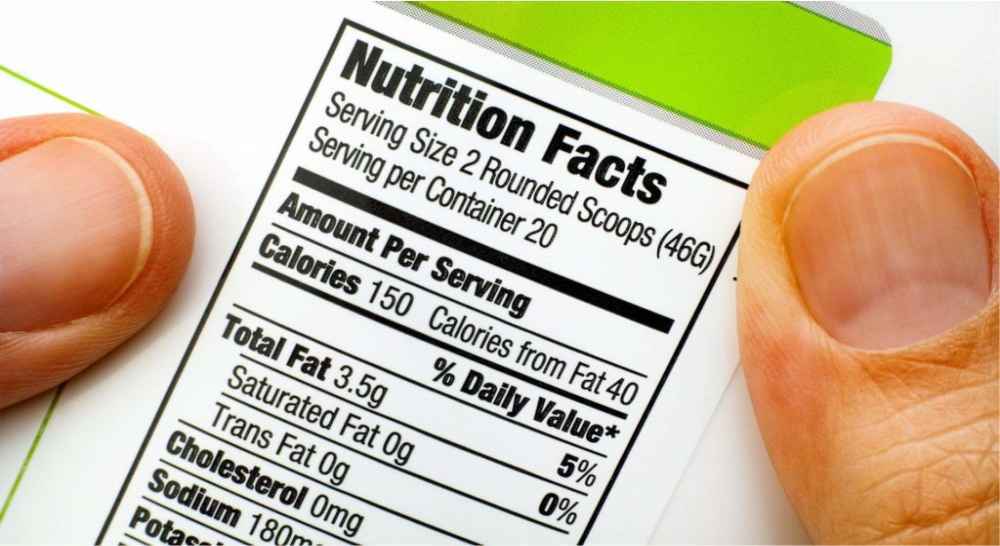
Enforcing transparent labeling profoundly shapes the Indian nutraceutical industry by empowering consumers to make informed, safe dietary choices while systematically eradicating deceptive "snake-oil" marketing. FSSAI nutraceutical regulations rigorously address consumer protection through the Advertising and Claims guidelines, explicitly requiring clear allergen declarations, vegetarian/non-vegetarian logos, and clinically substantiated health claims. Nutraceutical business operators must fulfill an uncompromising ethical role; they ensure the packaging and marketing of the product delivered to customers is entirely truthful, reflecting only the scientifically proven efficacy of the supplement and clearly warning of any potential allergens. This exacting communication standard impacts vital stakeholders ranging from creative packaging designers and legal counsels to the end-consumers who rely on labels to avoid life-threatening anaphylactic reactions. Additional insights indicate that misbranding violations—particularly omitting hidden allergens like soy or dairy—are not just legal infractions, but severe public health hazards that trigger immediate product seizures. My strategic advice to nutraceutical business operators is to implement a multi-tier legal and medical review workflow for all promotional materials. When you manufacture and finalize your packaging designs, mandate that a dedicated regulatory expert cross-checks every single claim and allergen warning against FSSAI mandates, shielding consumers from harm and your brand from liability.
Mandating Traceability and Rapid Recall Systems
The mandate for flawless traceability fundamentally transforms the Indian nutraceutical industry by creating a robust safety net that allows for the instantaneous removal of compromised products from the market. FSSAI nutraceutical regulations address public health emergencies by requiring comprehensive digital record-keeping through FoSCoS, demanding that the journey of every ingredient is fully documented. Nutraceutical business operators play a crucial crisis-management role; they must adopt advanced digital tracking systems, ensuring the historical journey and safety of every product delivered to customers can be instantly verified and recalled if a contamination event occurs. This technological shift heavily impacts stakeholders such as supply chain directors, logistics providers, and retail pharmacy networks who must rapidly execute recall protocols to protect the public. Additional insights emphasize that during a contamination crisis, the speed of your digital traceability system dictates how many consumers are exposed to the hazard; a slow recall is a catastrophic failure of public duty. My strong advice to nutraceutical business operators is to fully integrate Enterprise Resource Planning (ERP) systems equipped with barcode or RFID technology. When you manufacture, automate the logging of batch numbers and ingredient origins into a secure database. This proactive digitization guarantees you can execute a surgical recall in hours, safeguarding consumer health and brand integrity.
Elevating Manufacturing Hygiene to Prevent Disease
Elevating physical infrastructure significantly shapes the Indian nutraceutical industry by driving the modernization of facilities to prevent outbreaks of foodborne illnesses. FSSAI nutraceutical regulations address operational safety directly through the uncompromising Schedule 4 Good Manufacturing Practices (GMP), dictating strict requirements for cleanrooms, pest control, personal hygiene, and cross-contamination prevention. Nutraceutical business operators must embrace their role as public health defenders, investing heavily in these facility upgrades to guarantee that the pristine quality of the product delivered to customers is never threatened by bacterial pathogens like Salmonella or E. coli. This physical transformation impacts essential stakeholders such as plant engineers, sanitation crews, and independent FSSAI auditors who meticulously verify these hygiene standards to protect the public. Additional insights reveal that poor facility hygiene is the leading cause of microbial contamination in dietary supplements, a risk that disproportionately affects immunocompromised consumers seeking health products. My strategic advice to nutraceutical business operators is to relentlessly upgrade their production environments to pharmaceutical-grade standards. When you manufacture, phase out manual handling by investing in automated, closed-loop processing systems and advanced HVAC air filtration networks. This proactive infrastructural investment passively guarantees a sterile production environment, ensuring absolute consumer safety and flawless regulatory compliance.
Partner with Experts
Fully realizing the role of FSSAI regulations in protecting consumer health reveals that navigating these dense, life-saving legal frameworks is practically impossible without specialized, professional guidance. For nutraceutical business operators managing complex supply chains, potent formulations, and high-volume manufacturing floors, collaborating with seasoned regulatory experts is an absolute ethical and strategic necessity. These professionals expertly interpret the nuanced complexities of FSSAI nutraceutical regulations, ensuring that your facility hygiene, digital traceability systems, and formulation dosages remain flawlessly aligned with the ultimate goal of public safety. By seeking expert services, NBOs can seamlessly integrate compliance into their daily workflows, thereby guaranteeing the uncompromised quality of the product delivered to customers without risking a catastrophic health crisis. This expert collaboration deeply impacts internal stakeholders by providing plant managers, QA teams, and corporate boards with the authoritative mentorship required to make confident, legally sound business decisions that protect human lives. I strongly advise all wellness brands to proactively retain regulatory consultants to audit their operations. When you manufacture, relying on an expert to identify hidden contamination gaps in your supply chain or omitted allergen warnings on your labels saves lives and prevents crippling legal action. Embrace professional guidance to transform regulatory adherence into your brand's ultimate promise of consumer safety.