India's 2026 FSSAI Import Regulations Reshaping New Food Business Entries
The Indian food import sector is undergoing significant transformation in 2026 with key FSSAI updates that directly impact new businesses seeking to open import entries for innovative products. The Food Safety and Standards (Import) First Amendment Regulations, 2025, effective from May 1, 2026, now require all imported food sample analyses to utilize only FSSAI-approved analytical methods, bringing greater standardization and reliability to port testing processes. Coupled with the SWIFT 2.0 pilot enhancing transparency and efficiency in food imports through better integration between FSSAI and customs, these changes create both opportunities and responsibilities for Food Business Operators (FBOs). New import ventures must prioritize pre-shipment compliance, including accurate documentation and supplier audits, to ensure smooth clearance via the Bill of Entry system. FBOs play a pivotal role in upholding quality by implementing robust traceability from origin to Indian market, maintaining records that withstand scrutiny from authorized officers at ports like Chennai and Tuticorin. Key stakeholders include FSSAI's import division, customs authorities, NABL-accredited laboratories, state food safety commissioners, and ultimately Indian consumers who benefit from safer products. For businesses entering the market with novel items such as ready-to-drink alcoholic beverages inspired by global launches, understanding these frameworks is essential to avoid delays, product rejections, or penalties under the FSS Act. This regulatory evolution encourages professional, quality-driven import models that align with India's vision for a safe and trustworthy food supply chain, fostering long-term growth for compliant operators while protecting public health and fair trade practices.
Global Innovations like Svedka Vodka Water and Strategic Opportunities for Indian Importers
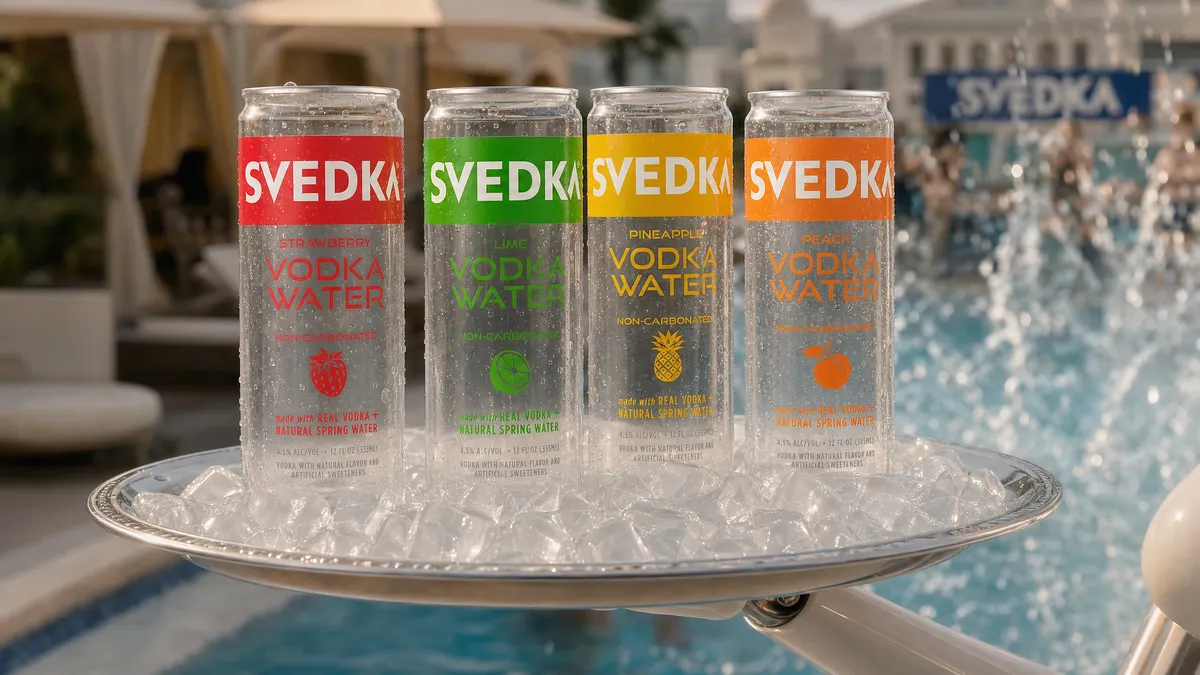
In June 2026, Sazerac's Svedka brand launched Svedka Vodka Water in the US market, positioned as the world's first transparent canned vodka water ready-to-drink (RTD) innovation. Available in four bright flavors—Lime, Peach, Pineapple, and Strawberry—this 4.5% ABV product offers zero sugar, approximately 90 calories per serving, and a non-carbonated formulation in convenient 12-ounce single cans or 8-pack multipacks for year-round refreshment. The clear packaging emphasizes purity and modern appeal, targeting health-conscious consumers seeking convenient alcoholic options that deliver clarity and taste without heavy carbonation. For Indian FBOs and new import food businesses, this development highlights shifting global consumer trends toward low-calorie, convenient RTD alcoholic beverages that blur traditional spirits and hydration categories. While the US rollout creates buzz, Indian market entry demands careful adaptation to local realities. Importers can explore similar premium segments in urban India where demand for innovative, lower-alcohol options is rising among younger demographics. However, success hinges on aligning product composition with FSSAI alcoholic beverage standards, particularly vodka definitions requiring neutral spirits derived from agricultural sources like grains or potatoes. New entrants must assess reformulation needs, packaging safety for Indian conditions, and claim substantiation to avoid misleading consumers. Stakeholders ranging from international brand licensors and Indian distributors to FSSAI regulators and state excise authorities shape outcomes. By treating such global news as strategic intelligence rather than direct templates, compliant FBOs can identify white-space opportunities while building robust quality systems that turn regulatory navigation into a competitive moat in India's growing alcobev import space.
FSSAI Standards and Specific Requirements for Importing Alcoholic RTD Products like Vodka Water
India maintains rigorous standards for alcoholic beverages under the Food Safety and Standards (Alcoholic Beverages) Regulations, which define vodka as a distilled spirit obtained from neutral alcohol derived from fermented mash of rye, potato, cassava, grains, or other agricultural carbohydrates. Imported products must fully comply with these compositional requirements plus general safety parameters for contaminants such as methanol, heavy metals, and other impurities. For RTD formats like canned vodka water at 4.5% ABV, classification falls under spirit-based or flavored alcoholic beverages, triggering specific labeling and documentation mandates. Under the Food Safety and Standards (Import) Regulations, 2017, and its 2025 amendment effective May 2026, importers require a valid FSSAI Central License in the importer category, along with Importer-Exporter Code (IEC) and typically state excise permissions for alcohol handling and distribution. At the port of entry, filing the Bill of Entry initiates FSSAI scrutiny: submission of Certificate of Origin, Certificate of Analysis from accredited labs, health certificates, detailed label artwork, and commercial documents. Samples undergo testing exclusively via FSSAI-approved analytical methods per the recent amendment, focusing on alcohol content verification, safety parameters, and label compliance. Indian labeling rules demand bilingual (English plus Hindi or regional language) declarations, nutritional information in prescribed format, allergen alerts if applicable, statutory alcohol health warnings, veg/non-veg logo, FSSAI license number of the Indian importer, batch number, manufacturing/import dates, best before or use-by dates, and MRP in Indian rupees. Packaging materials for transparent cans must meet food-contact safety standards with no harmful migration. New import businesses must conduct thorough pre-arrival label gap analyses and supplier audits because non-compliance often results in goods being held, reworked with stickers, or destroyed at significant cost. These layered requirements protect Indian consumers while ensuring only authentic, safe products reach the market, rewarding prepared FBOs who treat compliance as integral to product development rather than an afterthought.
Step-by-Step Import Clearance Process for New Food Businesses: Bill of Entry to Market Readiness
Navigating the import clearance journey requires meticulous preparation, especially for new food businesses handling innovative alcoholic RTDs. The process begins with securing FSSAI Central License registration via the FoSCoS portal, obtaining IEC, and arranging necessary state excise licenses or permits since alcohol remains a state-regulated commodity. Upon shipment arrival, the importer or customs broker files the electronic Bill of Entry through ICEGATE, which interfaces with FSSAI systems. Risk profiling or routine referral routes the consignment to an Authorized Officer at the port (such as Chennai, Kolkata, or Tuticorin). Officers verify documentation completeness—including commercial invoice, packing list, Certificate of Origin, Certificate of Analysis using approved methods, and label proofs—before drawing representative samples. Post-May 2026, laboratories must employ only FSSAI-notified analytical methods for parameters like alcohol strength, contaminants, and packaging integrity. If results conform to standards and labels meet Indian requirements (or approved stickers are applied), FSSAI issues a No Objection Certificate (NOC). Customs then finalizes duty assessment (often substantial for alcoholic products including basic customs duty, GST, and compensation cess) and grants out-of-charge clearance. Post-clearance, state excise authorities oversee transport permits, storage, and retail distribution. Common challenges for new entrants include mismatched US versus Indian nutritional panels, missing statutory warnings, incomplete traceability details, or delays from non-approved testing labs. The 2026 reforms—perpetual FSSAI license validity from April 2026 onward and risk-based inspection frameworks—reduce renewal burdens and administrative friction for compliant operators. FBOs must maintain comprehensive records, implement internal quality checks, and prepare recall protocols. Mastering this end-to-end sequence transforms import entry from a compliance hurdle into a repeatable, scalable business capability that builds regulatory goodwill and market access speed.
Quality Assurance, Traceability, and Consumer Protection in Imported Alcoholic Beverages
FSSAI places paramount emphasis on quality assurance and traceability throughout the imported food supply chain to safeguard consumer health and maintain trust in India's food system. For products like transparent canned vodka water RTDs, importers bear responsibility for verifying authenticity, batch-level traceability, and ongoing stability beyond initial port testing. Recent labelling amendments reinforce mandatory traceability elements even for non-retail containers, enabling rapid identification and withdrawal if safety issues emerge. Indian FBOs must establish robust supplier qualification programs, retain certificates of analysis aligned with approved methods, and implement digital or documented systems linking batch numbers to production details, origin, and Indian importer records. Consumer protection extends to accurate, non-misleading claims: "vodka water" descriptors cannot downplay alcohol content or imply medicinal/purifying benefits without substantiation. Nutritional declarations must follow prescribed Indian formats, and alcohol-specific warnings remain mandatory. Packaging integrity for clear cans demands verification that materials comply with Indian food-contact regulations and do not impart off-flavors or hazards under tropical storage conditions. Key stakeholders—FSSAI port officers, state FDA teams conducting market surveillance, accredited labs, and even consumer grievance redressal mechanisms—collaborate to enforce standards post-clearance. New import businesses that invest in traceability platforms (such as QR-enabled batch verification systems) differentiate themselves, enhance transparency for inspectors and end consumers, and reduce liability exposure. In an environment of heightened enforcement, quality and traceability cease to be optional add-ons; they form the foundation of sustainable operations, brand reputation, and regulatory resilience. Compliant importers contribute positively to India's food safety ecosystem while unlocking consumer confidence essential for premium imported alcoholic categories.
Strategic Challenges and Opportunities for New Import Food Businesses in India's Regulated Market
New food import businesses eyeing innovative alcoholic segments face a distinctive mix of regulatory complexity and market potential in 2026 India. Challenges include navigating state-specific alcohol policies that range from prohibition zones to tightly controlled licensing regimes, high effective taxation on imported spirits and RTDs, and the necessity of full label localization (bilingual text, Indian nutritional format, statutory warnings, and FSSAI importer details). Novel packaging formats like transparent cans require additional validation for food-contact safety and performance in Indian climatic conditions. The May 2026 testing amendment and strict port sampling increase upfront compliance costs and timelines for first-time importers. However, 2026 reforms deliver meaningful tailwinds: perpetual FSSAI license validity eliminates renewal cycles, digital FoSCoS processes streamline submissions, and risk-based approaches reward consistent performers with faster clearances. Consumer trends favor convenient, lower-calorie alcoholic options, creating space for compliant RTD innovations that resonate with health-aware urban drinkers. First-mover importers who master compliance can capture premium positioning and build defensible distribution networks. Strategic success factors include early engagement with FSSAI-authorized consultants for gap assessments, pilot shipments to validate processes, and investment in internal compliance teams or traceability technology. By framing regulatory adherence not as a cost center but as brand equity and risk mitigation, new entrants position themselves for scalable growth. The Svedka-style global innovation wave offers inspiration, yet only those who rigorously align with Indian standards will convert opportunity into lasting market presence without regulatory setbacks or reputational damage.
Partner with Experts
To successfully launch or expand import food businesses involving innovative alcoholic beverages such as ready-to-drink vodka water products in India, partnering with experienced FSSAI compliance specialists is indispensable. Experts well-versed in the latest 2026 amendments—including the Import First Amendment Regulations mandating approved analytical methods, perpetual licensing reforms effective April 2026, SWIFT 2.0 transparency initiatives, and updated alcoholic beverage standards—can provide end-to-end support. Services encompass FSSAI Central License applications for importers, pre-arrival label audits and corrections, preparation of technical documentation for Bill of Entry clearance, supplier verification programs, traceability system design, and coordination with customs and state excise authorities. Professional guidance ensures products not only clear ports efficiently but also deliver uncompromising safety and quality to Indian consumers, protecting both public health and business reputation. Whether addressing novel RTD classification questions, optimizing packaging compliance, or establishing robust record-keeping protocols, specialists minimize costly delays and rejection risks while accelerating time-to-market. Common questions from new entrants include what FSSAI license category is required to import alcoholic RTDs like vodka water, how the May 2026 Import Amendment changed port testing, whether transparent canned vodka water can be imported without modifications, and what the critical labeling mandates for imported alcoholic products are. Engaging experts transforms regulatory complexity into competitive advantage and sustainable growth while prioritizing food safety for all consumers.
Frequently Asked Questions
Find quick answers to common questions about News
What are the key 2026 FSSAI changes affecting food imports in India?
The Import First Amendment Regulations effective May 2026 require FSSAI-approved analytical methods for testing all imported food samples, while licensing reforms from April 2026 provide perpetual validity for FSSAI licenses and introduce risk-based inspections to streamline processes for compliant businesses.
Do I need a special license to import alcoholic RTD products like vodka water?
Yes, importers typically require a Central FSSAI License in the importer category plus appropriate state excise licenses and permits because alcohol remains a state-regulated commodity in India with additional safety and distribution controls.
How does the Svedka Vodka Water launch relate to Indian FSSAI rules?
It highlights global RTD innovation trends; any similar product entering India must fully comply with FSSAI alcoholic beverage compositional standards, labeling mandates, packaging safety rules, and the complete import clearance process including port testing and documentation.
What documents are required for Bill of Entry in food imports?
Essential documents include the commercial invoice, packing list, Certificate of Origin, Certificate of Analysis from an FSSAI-approved lab using notified methods, health or veterinary certificate where applicable, and fully compliant Indian label artwork or approved sticker overlays.
What is the role of FBOs in maintaining quality for imported products?
FBOs must perform supplier audits, maintain complete batch traceability records, ensure pre-shipment label compliance, implement internal quality checks, and prepare recall plans so that only safe, authentic products reach Indian consumers and clear regulatory scrutiny efficiently.
Are there specific labeling requirements for imported alcoholic beverages?
Yes, labels must feature bilingual text, prescribed nutritional format, statutory alcohol health warnings, veg or non-veg logo, FSSAI license number of the Indian importer, batch number, date markings, and MRP in Indian rupees, with all claims substantiated and non-misleading.
How can new import businesses benefit from 2026 reforms?
Perpetual FSSAI license validity eliminates renewal cycles, FoSCoS digital portals simplify submissions, and risk-based inspection frameworks allow faster clearances and lower administrative costs for operators with strong compliance histories and robust quality systems.
What risks do non-compliant import businesses face?
Non-compliance can result in consignment rejection or destruction at ports, heavy financial penalties under the FSS Act, legal proceedings, loss of license privileges, and severe damage to brand reputation and future market access opportunities.
Why is traceability important for imported alcoholic beverages?
Traceability enables rapid identification, investigation, and recall of affected batches if safety issues arise, builds consumer and regulatory trust, meets FSSAI transparency expectations, and protects businesses from liability while supporting premium positioning in the market.
How can professional FSSAI experts help with import compliance?
Experienced consultants assist with Central License applications, pre-arrival label gap audits and corrections, technical document preparation for Bill of Entry, supplier verification, traceability system setup, and ongoing monitoring so businesses achieve swift clearance, full regulatory adherence, and highest standards of food safety and quality.